
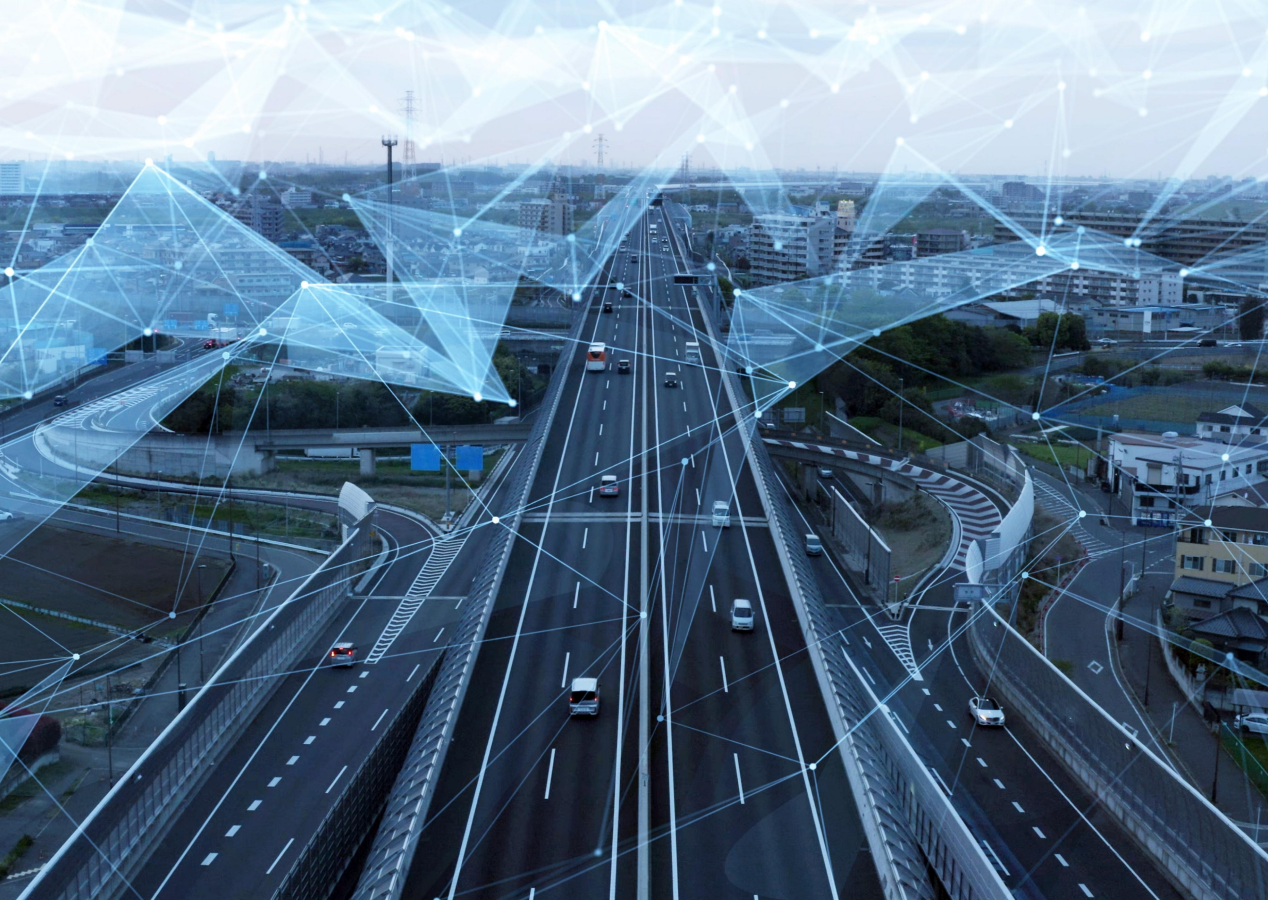
Transportation networks are evolving rapidly, driven by the integration of technology to enhance safety, efficiency, and connectivity. Cloud-integrated DVRs (Digital Video Recorders) have emerged as a game-changing solution, offering real-time video streaming, centralized data storage, and enhanced fleet management capabilities. This article delves into the transformative role of cloud-integrated DVRs in modern transportation systems.
What Are Cloud-Integrated DVRs?
Cloud-integrated DVRs combine traditional video recording technology with cloud storage and connectivity. Unlike conventional DVRs that store data locally, these devices upload footage to secure cloud servers, enabling remote access and real-time monitoring.
Key Benefits of Cloud-Integrated DVRs in Transportation
- Real-Time Monitoring
Fleet operators can access live video feeds from vehicles, ensuring immediate response to incidents such as accidents or unauthorized access. - Centralized Data Management
The cloud allows centralized storage and retrieval of footage, simplifying data management and reducing the risk of data loss due to hardware failure. - Enhanced Security
Cloud-based encryption ensures secure storage of sensitive footage, preventing unauthorized access and tampering. - Scalability and Flexibility
Cloud-integrated DVRs can easily scale to accommodate growing fleets and changing operational needs without significant infrastructure investments.
Applications of Cloud-Integrated DVRs in Transportation
- Fleet Management
Logistics and transportation companies use these systems to monitor driver behavior, optimize routes, and ensure compliance with safety regulations. - Public Transport Safety
Cloud-integrated DVRs enhance passenger safety by enabling real-time monitoring of buses, trains, and other public transport systems. - Emergency Response Coordination
In emergencies, such as accidents or natural disasters, these systems provide live video feeds to first responders, aiding swift and efficient decision-making. - Cargo Security
These DVRs ensure the safety of valuable goods during transit by offering real-time surveillance and alerts in case of theft or tampering.
Challenges in Implementing Cloud-Integrated DVRs
- Connectivity Requirements
Reliable internet connectivity is essential for seamless data transmission to the cloud, which may be challenging in remote areas. - Initial Investment Costs
The deployment of cloud-integrated DVR systems involves upfront costs for hardware, software, and connectivity infrastructure. - Data Privacy Concerns
Organizations must comply with data protection regulations to ensure the privacy and security of recorded footage.
The Future of Cloud-Integrated DVRs in Transportation
As technology advances, the integration of AI, 5G, and IoT with cloud-integrated DVRs is set to redefine transportation networks. These systems will offer predictive analytics, automated incident detection, and smarter fleet management solutions, making transportation safer and more efficient.
Conclusion
Cloud-integrated DVRs are transforming modern transportation networks by enhancing safety, improving efficiency, and enabling real-time decision-making. Despite challenges like connectivity and cost, the benefits far outweigh the drawbacks, making these systems an essential component of future transportation infrastructure.