
Smart camera security is undergoing a profound transformation, transitioning from simple monitoring tools to predictive systems capable of identifying and preventing threats before they occur. By integrating AI, machine learning, and advanced analytics, smart cameras are redefining safety across industries. This article explores the evolution and future potential of smart camera security.
The Evolution of Smart Camera Technology
- Basic Surveillance to Intelligent Systems
Early security cameras offered only passive monitoring, requiring human intervention for analysis. Today, AI enables smart cameras to analyze patterns, detect anomalies, and identify potential risks autonomously. - Incorporation of Predictive Analytics
Predictive analytics allows smart cameras to forecast potential security threats based on historical data and real-time analysis, significantly enhancing preventative measures.
Key Features of Predictive Smart Cameras
- Anomaly Detection
Advanced smart cameras identify unusual behaviors or patterns, such as unauthorized access or loitering, triggering alerts before incidents escalate. - Facial and Object Recognition
With AI driven recognition capabilities, these cameras can match faces or objects to databases, identifying known threats or missing persons in real-time. - Behavioral Forecasting
Predictive systems analyze movement patterns to anticipate actions, such as potential break-ins, and notify security teams in advance.
Applications of Predictive Smart Camera Security
- Retail Loss Prevention
In retail, predictive cameras help reduce theft by identifying suspicious customer behaviors, ensuring a safer shopping environment. - Critical Infrastructure Protection
Predictive capabilities safeguard sensitive locations like airports, power plants, and government facilities by detecting and mitigating threats proactively. - Public Safety in Urban Areas
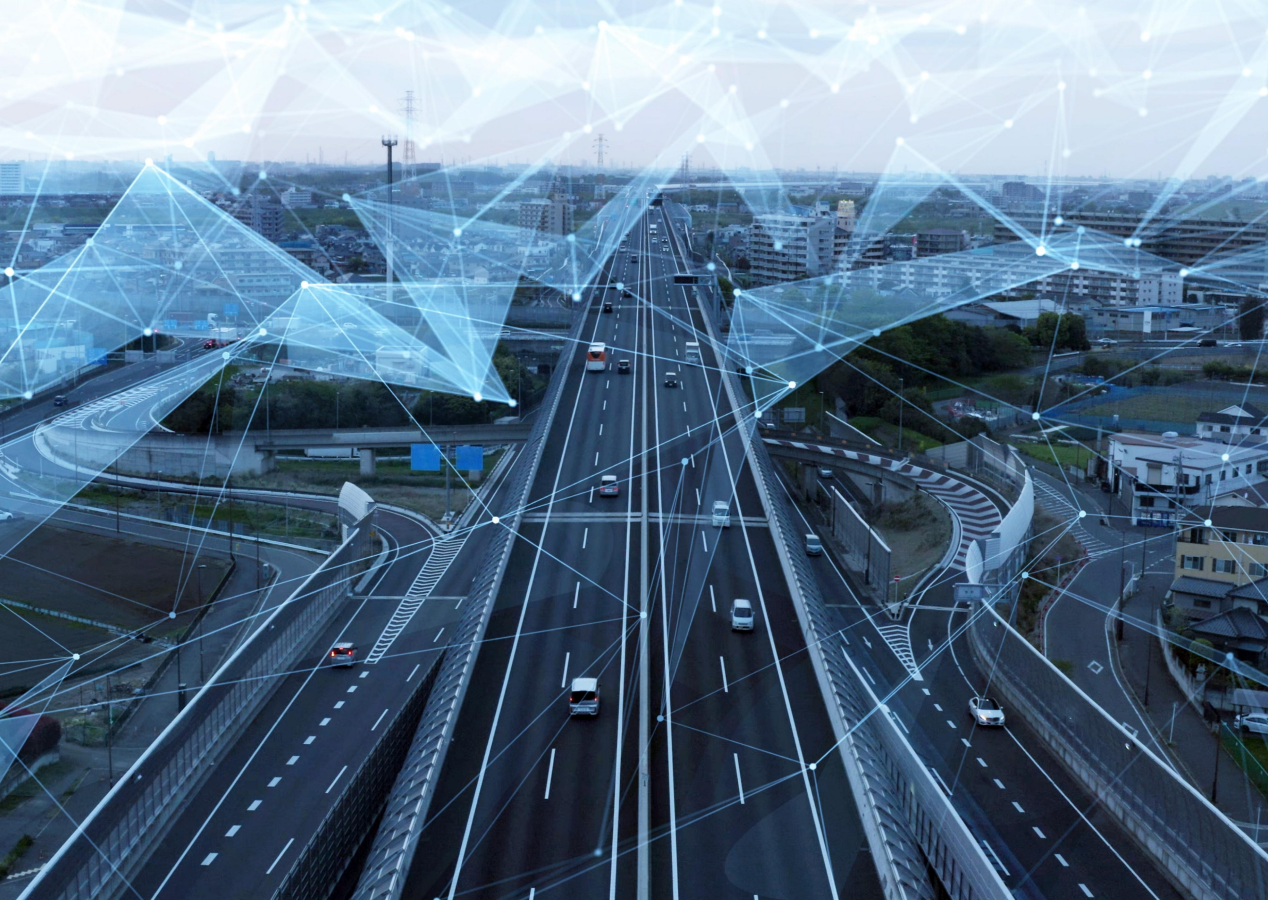
Predictive analytics aid in crime prevention and traffic management, ensuring safer streets and public spaces in smart cities.
Challenges in Transitioning to Predictive Systems
- Data Privacy Concerns
The vast amount of data collected by predictive systems raises ethical and privacy concerns. Clear regulations and transparent practices are essential to address these issues. - System Reliability
Predictive systems rely heavily on accurate data and algorithms. False positives or misidentifications could undermine trust and efficiency. - Cost of Implementation
Deploying predictive smart camera systems requires significant investments in infrastructure, software, and skilled personnel.
The Future of Smart Camera Security
The future of smart camera security lies in integrating AI with technologies like the Internet of Things (IoT), 5G, and edge computing. These advancements will enable faster processing, seamless connectivity, and enhanced predictive capabilities. As the technology matures, predictive smart cameras will become essential tools for creating safer environments across industries.
Conclusion
The transition from monitoring to predicting marks a significant milestone in smart camera security. By leveraging predictive analytics, these systems offer unprecedented safety and efficiency. While challenges remain, the potential benefits of predictive smart cameras make them indispensable in the future of security.